July 21, 2026 brings an photography editing workflow for the Photography series. This is a practical photography note for building a steadier creative rhythm.
Review one part of the editing process and make it easier to repeat.
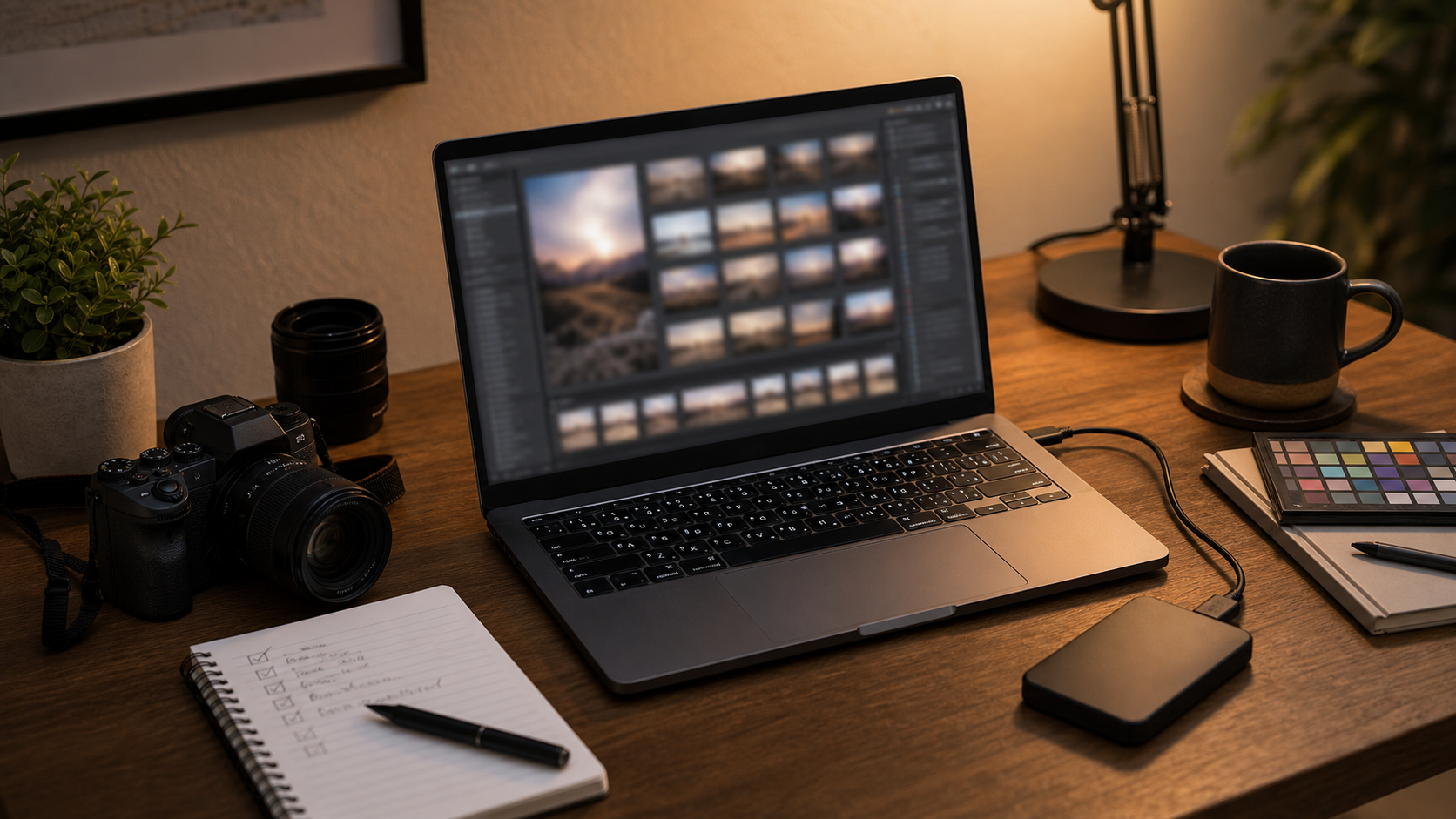
A Useful Focus
Review one part of the editing process and make it easier to repeat.
Why This Matters
Editing is where a photo set becomes usable. A cleaner workflow saves time, protects files, and makes the final images feel more consistent.
Readers should leave with one practical way to shoot, edit, review, or notice their work more intentionally.
What Makes It Useful
The most helpful photography posts usually give readers something they can try without needing new gear or perfect conditions. That means naming the constraint, explaining why it matters, and showing how to review the result afterward.
Use this note as a bridge between field practice and finished work. A small idea can become a better image, a stronger edit, a useful behind-the-scenes note, or a prompt for the next time you return to the same kind of scene.
A Practical Way Through It
Pick one recent set and follow it from import to final export. Look for the part of the process where friction shows up: naming, culling, color consistency, backup, export sizing, folder structure, or deciding which images are finished enough to share.
A good editing workflow is not about making every image look identical. It is about making the decisions repeatable enough that the work feels intentional. Keep the edits honest to the scene, protect original files, and avoid overcorrecting just because a slider is available.
End with one cleanup action. Rename a folder, make a backup, delete obvious rejects, write an export note, or save a small preset only if it truly helps. The post should leave the reader with a workflow improvement they can use immediately.
How to Use It
- Choose one subject, scene, or workflow step before you start.
- Keep the constraint simple enough to finish in one session.
- Review what worked, what distracted you, and what you would try next.
Ideas to Build From
- Choose one recent set and review the edit sequence.
- Remove one repeated decision from the workflow.
- Write down the export, backup, or curation step that needs cleanup.
Before You Save It
Before you save the idea, make sure it gives the reader a clear action, a realistic creative boundary, and one reason the exercise matters. That keeps the post useful for beginners, working photographers, and anyone simply trying to make better images with the tools they already have.
Helpful Boundaries
Keep the focus on process and observation. Avoid gear shaming, purchase pressure, guarantees, or claims that one setup is the only right answer.
Avoid: Pricing claims, gear shaming, hype language, guarantees, or brand promotion.
FAQ
Do I need special gear for this note?
No. Use the camera or phone you already have and focus on one clear constraint, technique, or review step.
Can this become a longer blog post?
Yes. Treat the idea as a starting point, then add examples, image notes, and what you learned from the session.
Should people share their results?
Only if they want to. The exercise works privately, as a short creative note, or as a public photography challenge.
Keep Going
Use this note as a small creative reset, then save the strongest takeaway for the next time you shoot or edit.
For related service context, visit the Photography Services page.