Falls Here began in 2020 with a simple excuse to get moving: write more, try new food, spend more time outside, and come home with photographs that felt like something. I did not begin with a polished media plan. I began with curiosity, a camera, and the useful belief that a worthwhile day could be hiding an hour down the road.
Six years later, that habit has grown into a regional project covering waterfalls, trails, parks, small towns, food stops, and the people who attach memories to them. It also changed how I work as a photographer. I learned to pay attention before lifting the camera, to leave room for weather and wrong turns, and to treat practical details as part of the story rather than an interruption.

The Camera Came Before the Network
Years before Falls Here had a name, a friend lent me a Nikon D70 for a trip to Niagara Falls. I expected to make better snapshots. Instead, I became interested in the decisions behind them: where to stand, what to leave outside the frame, how moving water changes with shutter speed, and why light can turn an ordinary overlook into the photograph I remember.
That borrowed camera did not instantly make me a photographer. It gave me a reason to practice. The useful part came later—repeating the walk, noticing what failed, learning the equipment, and returning in different conditions. Falls Here grew from the same process. It became a structure for going back out and doing the work again.
Taughannock Falls Became My Measuring Stick
Of all the waterfalls I have visited, Taughannock Falls outside Ithaca remains the one I return to most often. I have seen it across different seasons and water levels, and the last approach through the gorge still creates the same anticipation. The waterfall is the landmark, but the complete visual experience includes the tall rock walls, the weather, the people arriving at the viewpoint, and the quieter details along the way.
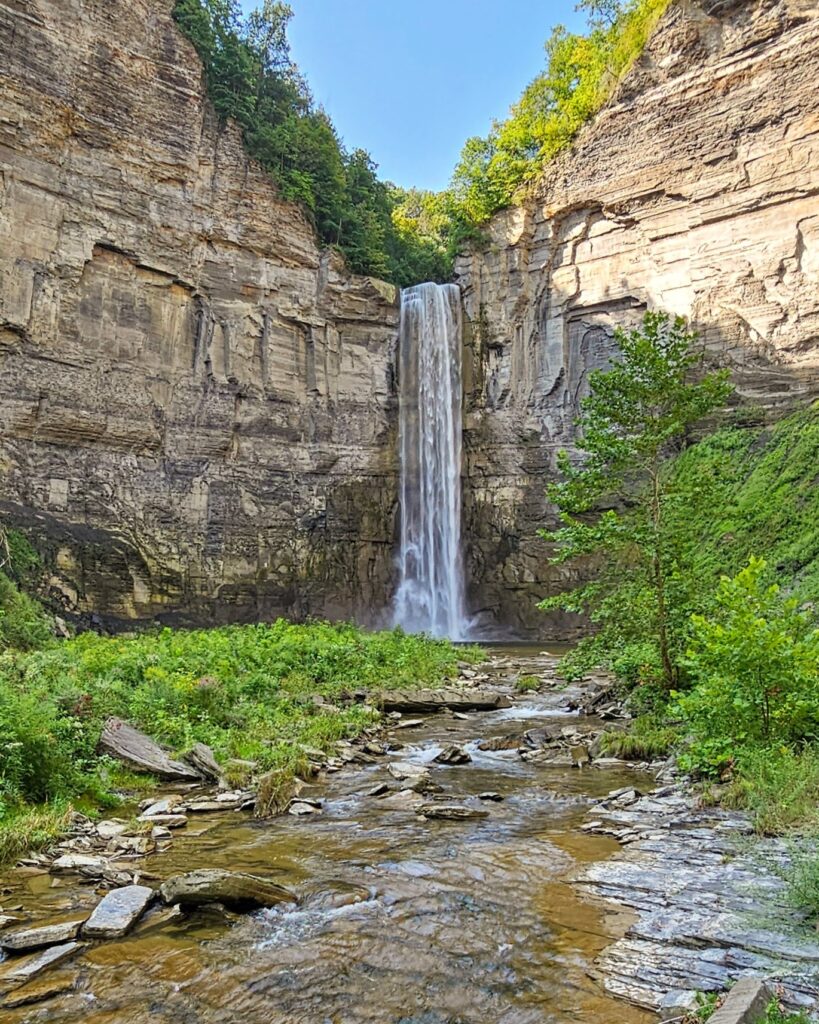
New York State Parks lists the waterfall at 215 feet and maintains both lower and upper access areas. Because trail status and seasonal operations can change, the official Taughannock Falls State Park page is the right source for current conditions. My photographs can show why I love the place; they cannot replace a current park notice.
Food Was Never a Detour
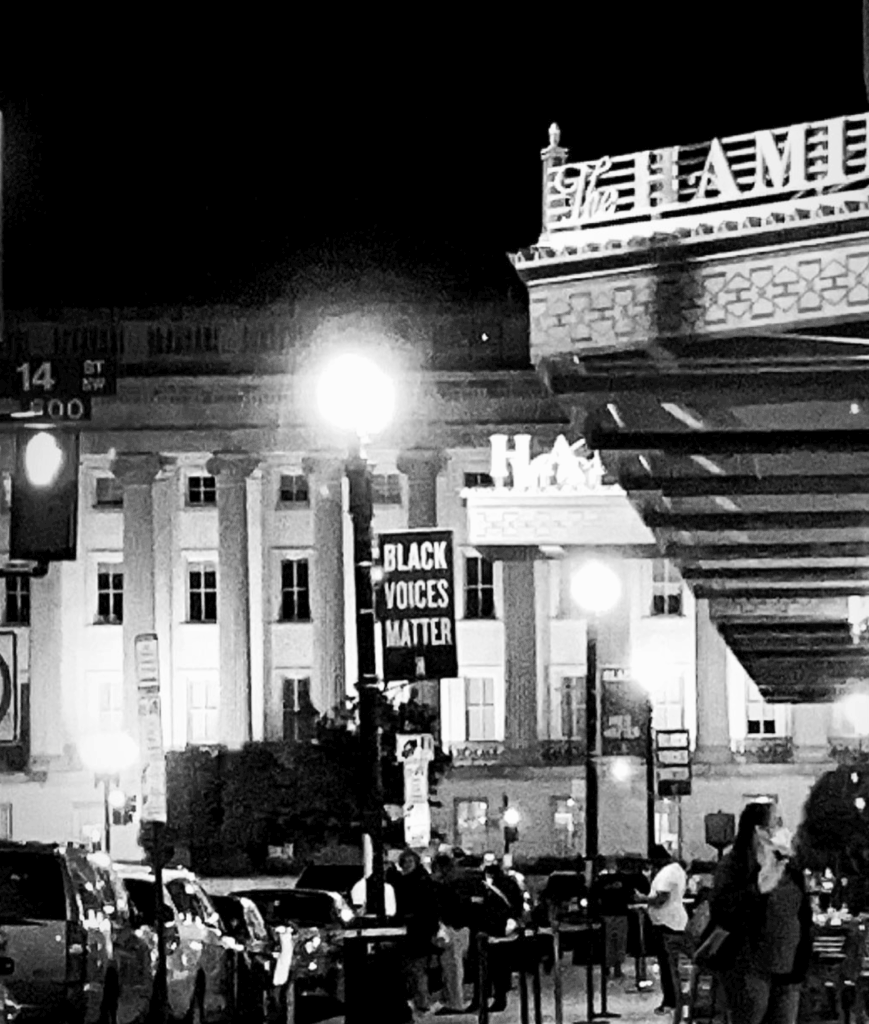
The Falls Here idea was never limited to trailheads. Some of my strongest travel memories are tied to a meal after the walking was done. During my time working in Washington, DC, The Hamilton became one of those places: late-night food, a lively room, and friendships built across repeat visits. The photograph is not a restaurant review or a claim about today’s menu. It is evidence of what the project was trying to preserve—the connection between a place and the life happening around it.
A waterfall gets me into the car. A good meal can give the day its final chapter. A town sign, old bridge, roadside overlook, or conversation with a local can become the detail that holds everything together. That mix is why Falls Here feels more honest to me as a regional project than a site built only around lists of attractions.
What Falls Here Is Now
The project now connects a central You Fall Here network with regional sites, including PA Falls Here. Each region has its own places and personality, but the editorial standard should remain consistent: real locations, current official references, useful field context, responsible outdoor behavior, and a clear line between firsthand experience and information verified elsewhere.
DisantoJasper plays a different role. This site is where the personal photography and the person behind the network stay visible. Falls Here may publish the regional guide; here I can explain what I noticed, what the photograph required, what I would change next time, and why I kept driving after the first trip.
The Rules I Learned by Doing It
- A place is not content inventory. If I cannot explain why the location matters or what I genuinely observed, the article is not ready.
- Official access information outranks an old memory. Park hours, closures, permits, trail conditions, and safety guidance must come from the responsible land manager.
- The photograph should represent the story. Generic artwork cannot do the work of a real frame from the field.
- Useful limitations build trust. Weather changes, trails get muddy, waterfalls lose flow, restaurants change, and equipment has tradeoffs.
- Leave the place able to tell its own story. I follow established access, avoid moving natural objects for a composition, and use the Leave No Trace principles as a baseline.
“What Can I Touch Today?”
That question became a small personal motto—not an instruction to touch wildlife or fragile places, but a reminder to have a direct experience with the day. Sometimes it means a long trail and a waterfall. Sometimes it means carrying a camera through a town I have driven past for years. Sometimes it means dinner somewhere new and a photograph made in the parking lot because the evening light suddenly became better than the plan.
The point is not constant motion. It is attention. Falls Here gave me a reason to practice attention across photography, writing, food, and regional travel. The reward has been a growing map of memories—and a clearer understanding that strong stories come from returning with evidence, not simply publishing on schedule.
Where to Start Exploring
For a Pennsylvania creek story, begin with the golden rainbow trout I photographed in the Loyalsock. For a difficult waterfall trail and a camera-first field guide, read my Ricketts Glen experience. For a shorter New York waterfall outing with important footing considerations, see the Eternal Flame Falls guide.
Then explore the current regional work through PA Falls Here and the wider You Fall Here network. Those sites carry the discovery side forward. This one keeps the camera, the field notes, and my own learning process close to the surface.
Sources & Field Notes
- New York State Parks: Taughannock Falls State Park
- Leave No Trace: The Seven Principles
- Field evidence: Jasper DiSanto photographs from Ithaca/Taughannock Falls and Washington, DC.
- Personal history: the 2020 start of Falls Here, the borrowed Nikon D70, repeated Taughannock visits, and the Washington food memory are Jasper’s firsthand account.
If the photography—not just the destination—is what brought you here, see my current photography work or start a project conversation.
The Falls Here Network
Explore more regional outdoor stories.
Regional outdoor stories, waterfalls, food stops, photography, and travel notes across PA, NJ, NY, DC, MD, VA, and Philadelphia.